
Dolmabahce Palace Opening Hours
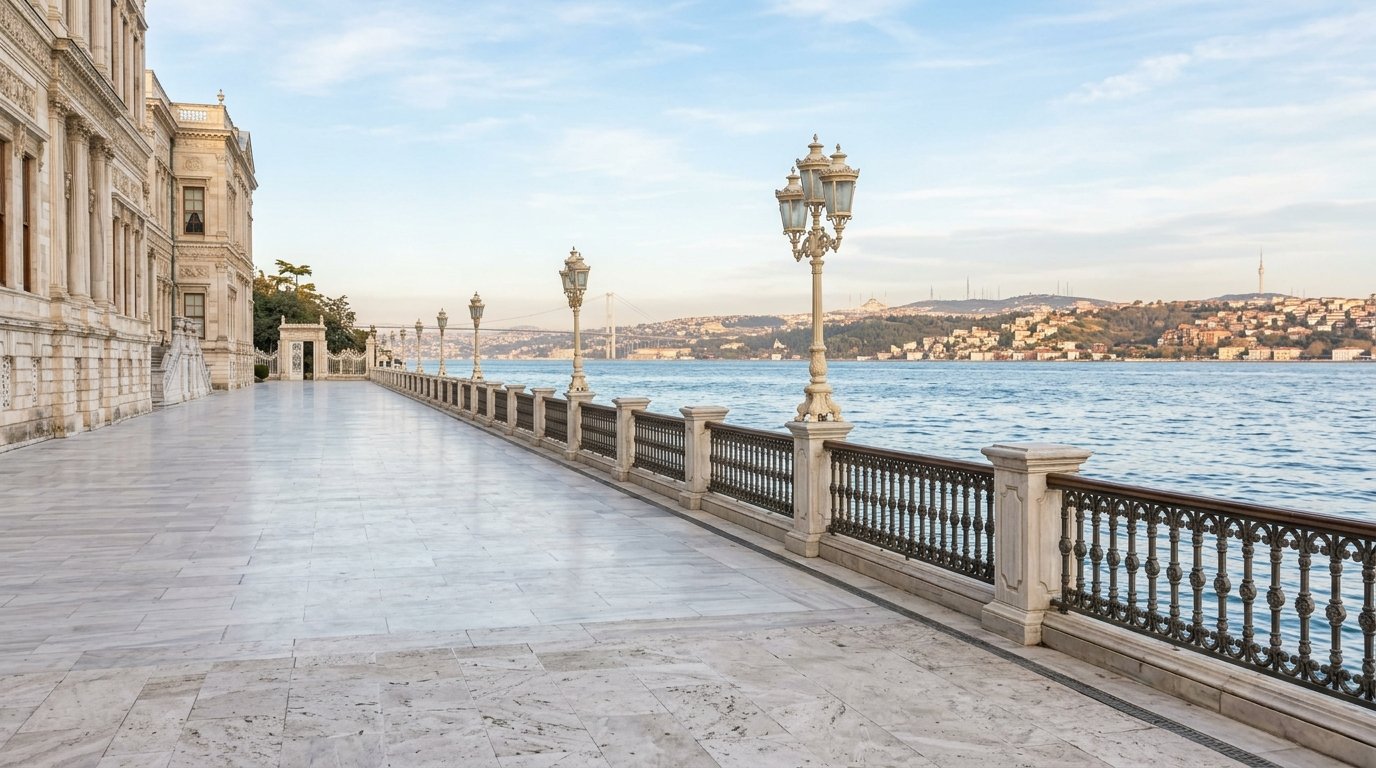
Dolmabahce Palace is open Tuesday through Sunday from 09:00 until about 17:30 — and closed every Monday. That single fact sinks more Istanbul itineraries than any other: travellers save the palace for their last day, discover it falls on a Monday, and fly home without seeing the Ceremonial Hall. Fix the day first, and every other timing decision becomes easy.
This page covers the weekly rhythm, the last-entry catch, the holiday closures and the windows when the palace is quietest. For everything beyond timing — how long you need, what to wear, bags — go on to plan your visit.
The Week at a Glance
| Day | Status |
|---|---|
| Monday | Closed — all sections, every week |
| Tuesday | Open 09:00–17:30 (busiest weekday — absorbs Monday’s demand) |
| Wednesday–Friday | Open 09:00–17:30 (calmest days) |
| Saturday–Sunday | Open 09:00–17:30 (domestic visitors add to the crowds) |
Treat 17:30 as when the day ends, not when you can still begin it. Admissions stop well before closing — final entries are generally taken in the mid-afternoon — and daily visitor numbers are capped, so on peak days the palace can stop admitting even earlier once capacity is reached. Both facts argue for the same plan: come in the morning, with entry arranged in advance so the queue at the gate is not your problem.
The Monday Closure, and What It Does to Tuesdays
Dolmabahçe follows the National Palaces schedule, and its rest day is Monday — unlike Topkapı (closed Tuesdays) or the mosques (no closing day at all). Two practical consequences:
- Never leave Dolmabahçe for your final morning without checking the calendar. If your last full day is a Monday, flip your plan and visit earlier in the trip.
- Expect Tuesday to feel like a weekend. Everyone who bounced off the Monday closure comes on Tuesday, and the difference at the entrance is visible. If your dates allow, Wednesday to Friday mornings are the gentlest slots of the week.
Holiday and Ceremonial Closures
Beyond Mondays, the palace closes on 1 January and on the first day of each of the two major religious holidays — Ramazan Bayramı (the Ramadan Feast) and Kurban Bayramı (the Feast of Sacrifice). These follow the Islamic lunar calendar, so the Gregorian dates move each year; check where they land relative to your trip.
Dolmabahçe is also a working state venue. Official ceremonies and visiting delegations occasionally close individual halls or, rarely, the whole palace at short notice. And around 10 November, the anniversary of Atatürk’s death at the palace, expect commemorations, wreath-laying and much heavier Turkish visitor traffic — moving, but not a quiet sightseeing day.
Quiet Windows and Crowded Ones
The palace’s daily tide is predictable:
- 09:00–10:30 — the golden window. Independent early risers, short queues, and the state rooms at their emptiest.
- 10:30–14:30 — peak. Cruise excursions and coach itineraries stack up at the entrance; the route through the Selamlık moves slowly.
- After 15:00 — thinning again, but you are now racing the admission cut-off, and the Harem needs its own share of your remaining time.
Seasonally, spring and autumn spread visitors most evenly; July and August funnel everyone toward the morning, since the queue area offers little shade. Winter is the sleeper choice — low crowds, and the chandeliers glow warmer against grey Bosphorus light.
Putting the Timing Together
The plan that works, in one line: any day but Monday (ideally midweek), through the gate at 09:00, two hours inside, gardens and waterfront after. The Selamlık and Harem both come with your entry, so the only timing risk is arriving too late to walk both halves at a human pace — the route rewards the unhurried.
Getting there early is easiest by tram or funicular to Kabataş and a ten-minute stroll along the shore — details on how to get there. And since the morning slots are exactly the ones that fill, it pays to secure your entry ahead of time and spend 09:00 walking up the Crystal Staircase instead of standing at the gate.